

Barcelona is one of the greatest cities in the world and that’s exactly why we here at Penya choose to call it home. But like any city, it has its challenges. Living abroad can be intimidating, especially when you feel like you don’t have trustworthy information. That’s why we’ve outlined the real pros and cons of life as an expat in Barcelona. Whether you’re planning to permanently move to Barcelona, work as a digital nomad, or are already settling in, this guide breaks down the pros and cons of living in one of Europe’s most popular destinations for international residents. So here is an honest review of what it really means to live in Barcelona.
The Pros:
1. Getting Around Barcelona: Public Transport for Expats
If there’s one thing Barcelona gets right, it’s public transit. You wouldn’t believe how much it opens up your life.
The city’s transit network is extremely interconnected. The Metro has 12 lines (L1–L12) spanning over 150 stations. It reaches almost every corner of the city and it’s fast, clean, and reliable. Meanwhile, TMB buses fill in the gaps with over 100 daytime routes through every neighborhood. The Nitbus network adds 19 night lines to get you home long after the metro shuts down. The T1–T6 Trambaix and T4–T6 Trambesòs tram lines service the outer districts on both sides of the city. Taxis and rideshares like Uber and Cabify are readily available and reasonably priced, although prices have been creeping up (more on that in the cons). And if you’d like to escape the city entirely, the Rodalies de Catalunya regional rail network and high-speed AVE trains from Barcelona Sants make it easy to connect across Catalonia and beyond.
What this means in practice is that the city feels big but manageable. Want a weekend getaway from Barcelona to the Pyrenees? Easy. A day trip to Tarragona or Sitges? Done. An evening in Sant Cugat followed by a late night in Barceloneta? No problem. The freedom that comes with a good public transit system is hard to overstate, especially for expats moving to Barcelona from outside of Europe.
But here’s what often gets overlooked, and is actually a favorite part of living in Barcelona: you often don’t need transit at all. The city is extremely walkable, and daily life is designed to happen close to home. Barcelona’s neighborhoods are dense. Within a short walk of almost any apartment, you’ll find a pharmacy, bakery, supermarket, fruit shop, café, hardware store, and a bar. This density creates a rhythm of daily life that is extremely low-effort.
2. Barcelona is Extremely International
El Prat Airport offers direct connections to cities across Europe, North Africa, and beyond. That makes Barcelona a natural base for frequent travelers, remote workers, and digital nomads living in Spain.
The city itself is deeply international. Decades of migration, tourism, and growing expat communities have created a cosmopolitan environment. On any given walk through the Eixample or El Born, you’ll hear Catalan, Spanish, English, Italian, French, Arabic, and a dozen other languages.
For newcomers who don’t yet speak Spanish or Catalan, the central neighborhoods are navigable in English. Restaurant staff, shop owners, and most service workers in touristic and central areas speak enough English to get by. That said, learning at least basic Spanish (and ideally some Catalan) will dramatically improve your daily life and your relationships with locals. It’s a sign of respect that doesn’t go unnoticed.
3. The Barcelona Lifestyle: Why Expats Fall in Love With the City
Barcelona has a pulse that’s hard to describe until you’ve felt it. After only a week here, it’s obvious how soulful and vibrant the city is. It’s not just the nightlife, although the nightlife is world-class (with clubs like Opium, the 9th best club in the world, and cocktail bars Sips and Paradiso raking 3rd and 4th respectively on the global list of best cocktails bars). But beyond the nightlife, it’s something deeper in the culture: a commitment to enjoying life that cuts across ages and backgrounds. Discovering that side of the city on your own can take months; Penya is built to get you there in days, with personalized, local recommendations on where to go and what not to miss.
- Families fill the parks and plazas on weekends, kids running between elderly neighbors who’ve claimed the same bench for forty years.
- The arts scene is rich and accessible, from the Picasso and Miró museums to independent galleries tucked into Gothic alleyways.
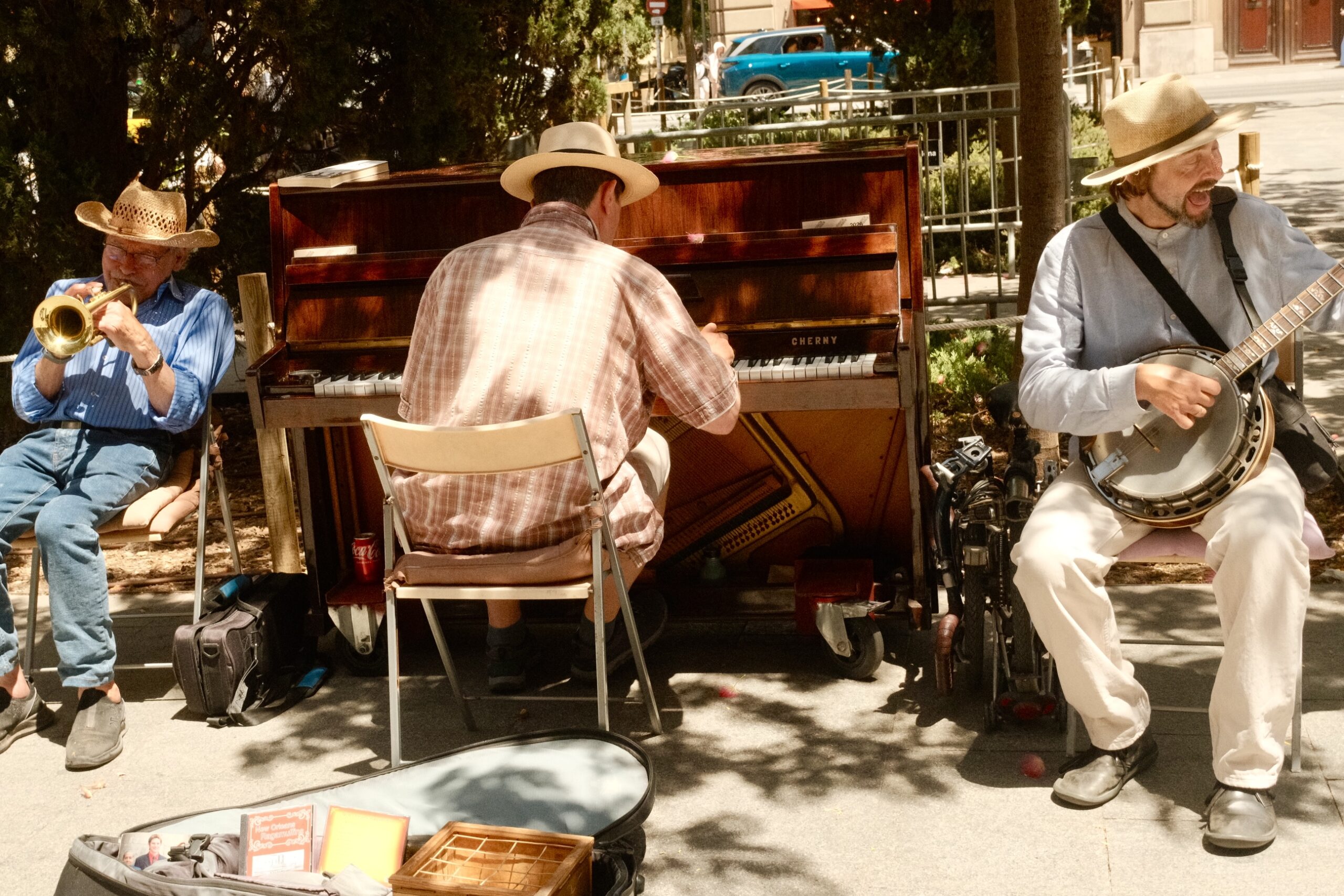
- Live music is everywhere. On any given night, you can find world-class DJs, intimate jazz performances, flamenco shows, indie bands, classical concerts, and open-air festivals happening across the city. Barcelona’s music scene offers something for every taste.
- Dancing is part of the social fabric, from salsa bars in the Raval to traditional sardana circles outside the cathedral and, on weekends, Ciutadella Park comes alive with impromptu dance gatherings that have become something of a Barcelona institution, drawing locals and expats alike.
- Barcelona is a city for all ages. You don’t disappear from public life as you get older. You’ll see people in their 70s and 80s out at the market, at the café, or at the neighborhood festival, and the city supports that in a way that feels extremely inclusive.
- Food is central to everything here. From €3 menús del día at a neighborhood bar to world-class restaurants pushing the boundaries of Catalan cuisine, eating well in Barcelona doesn’t require a big budget, it just requires knowing where to look. At the heart of it all is the Mediterranean diet: fresh fish, seasonal vegetables, olive oil, and legumes eaten the way they were always meant to be — slowly, with good company.
There’s also the broader Mediterranean outdoor culture — the understanding that a good life involves being outside, moving your body, eating well, and spending time with people you love. For expats moving from northern Europe or North America, it’s contagious in the best way. It’s why people live so long in Spain…


The Cons
1. Barcelona Bureaucracy: What Expats Need to Know
Navigating bureaucracy as a foreigner living in Barcelona can be exhausting and nobody ever prepares you adequately for this part of expat life.
The Spanish and Catalan administrative system is one of the most complex, paper-heavy, and slow-moving bureaucracies in Europe, and as a foreigner, you’re deep in the thick of it from day one. The paperwork never really ends:
- NIE (foreigner identity number): your entry ticket to everything
- Padrón (municipal registration): required for almost every other step
- Visas: depending on your nationality, an ongoing and often stressful process
- Pareja de hecho (common-law partnership registration): if applicable, another multi-step process
- Lawyers: often necessary just to navigate the system
- Insurance: private health insurance is required for many visa types
The Barcelona immigration appointment system is particularly notorious. Appointments at the extranjería (immigration office) are extremely difficult to obtain through official channels, since demand far outweighs supply. This has created a grey market where appointments are sold by third parties, some of whom operate in ways that carry real fraud risk. There are workarounds that exist outside official channels, but they come with significant uncertainty.
For EU citizens, Barcelona bureaucracy is far less of an issue. For non-EU expats, especially those on non-lucrative visas, Spain digital nomad visas, or work permits, be prepared for the process to take longer, cost more, and require copious amounts of patience.
2. Finding Housing in Barcelona as an Expat: What to Expect
The Barcelona housing market is not just difficult, it is broken. And understanding why helps contextualize the experience of living here.
Barcelona’s population has grown significantly over the past decade, driven by internal migration, international immigration, and the city’s global appeal. New housing construction has not kept pace, resulting in a severe supply-demand imbalance. The imbalance continues to push the average price of rent higher each year.
The short-term rental situation is complicated, shaped by competing interests and a regulatory environment that has struggled to keep pace. Platforms like Airbnb made tourist rentals significantly more profitable than long-term leases. This naturally incentivizes many property owners to convert apartments during the boom years, further shrinking an already limited supply. Local and regional housing laws have historically made it difficult to reverse this trend. While the city has cracked down on unlicensed tourist apartments in recent years, enforcement has been inconsistent. The result is a market where long-term rental supply remains constrained (not because of any single villain, but because of a tangle of economic incentives, property rights, and policy gaps that won’t be easy to unravel).
The average salary in Barcelona sits around €28,000–€30,000 gross per year, while average rental prices for a one-bedroom apartment now regularly exceed €1,200–€1,500 per month. This means that locals can easily spend over 50% of their take-home pay on rent alone. Rent is well above the recommended 30% threshold. Foreign expats, particularly those working remotely for companies in higher-wage economies, can often absorb these prices far more comfortably, creating a stark and growing affordability gap for local residents.
What this means in practice for expats renting in Barcelona: Short-term leases of 11 months, designed to avoid stronger tenant protections triggered by longer contracts, are common. Many renters find themselves moving every year. Security deposit disputes are frequent, and finding a good apartment at a reasonable price often requires networking, Facebook groups, luck, and time.
3. Rising Cost of Living in Barcelona: Livable, But Increasingly Strained
Barcelona is definitely not the cheapest city in Europe, and the cost of living in Barcelona just keeps getting higher and higher every year.
On paper, it’s still more affordable than cities like London, Paris, or Amsterdam. A coffee costs under €2. A menú del día (set lunch) can still be found for €12–15. The Mediterranean lifestyle is still accessible.
But the trajectory is concerning for anyone considering moving to Barcelona, or anyone who has been living here a while:
- Taxi and rideshare prices in Barcelona have climbed notably, making casual cab use feel like an actual expense.
- Barcelona metro fares and public transit costs have risen steadily. A 6.75% increase hit in 2024, the first rise since 2020, and then in early 2025, when the Spanish government’s 50% transport subsidy expired, monthly pass prices jumped by 30% almost overnight. What was once on of Europe’s greatest transport bargains has become a target, and while still being reasonable by European standards, the creeping costs are definitely felt by Barcelona’s commuters.
- Inflation has hit food, services, and utilities. Grocery shopping in Barcelona costs noticeably more than it did two or three years ago.
- Barcelona housing costs, as described above, represent the sharpest pressure
The cumulative effect is that living in Barcelona is still enjoyable, but the financial buffer has shrunk. People who moved here five years ago and locked in lower rents are sitting on a significant advantage over newcomers. And for those on fixed incomes, local salaries, or modest freelance earnings, the squeeze is real and ongoing.
So, Is Living in Barcelona Worth It?
Honestly? Yes, absolutely! It’s why we choose to live here. But we know how intimidating it can be, hence why we’ve built Penya.
Built from a trusted community of expats living in Barcelona, Penya provides reliable, trusted recommendations for navigating life in a new city. For advice on where to dine and shop to legal and tax matters, Penya has your back.
Barcelona rewards people who love it enough to deal with its flaws. And it has a way of making those flaws feel worth it.
Frequently Asked Questions
1. Is Barcelona a good place to live as an expat?
Yes, Barcelona consistently ranks among the top cities in Europe for expats, thanks to its climate, lifestyle, international community, and connectivity. The trade-offs are real (bureaucracy, housing costs, and a complex rental market), but for most people who move here, the city earns the friction.
2. How much does it cost to live in Barcelona as an expat?
Budget roughly €2,000–€3,000/month for a comfortable life as a single person, depending on your neighborhood and lifestyle. Housing is the biggest variable: a one-bedroom in a central neighborhood now runs €1,200–€1,500/month. Day-to-day costs: food, transport, and coffee remain reasonable by Western European standards.
3. How hard is it to find an apartment in Barcelona?
Harder than it should be. Supply is constrained, demand is high, and competition is fierce, especially in popular expat neighborhoods like Eixample, Gràcia, and El Born. Most leases run 11 months to avoid stronger tenant protections, meaning many renters move every year. Networking, Facebook groups, and starting your search early all help.
The Penya Take
For more personalized recommendations to help you start building your best Barcelona life, Penya connects you with trusted local recommendations for dining, shopping, legal services, paperwork, and more.

Leave a Reply